SubCargo Getting Started
From Roblox lobby to your first paid delivery run in the alpha build.
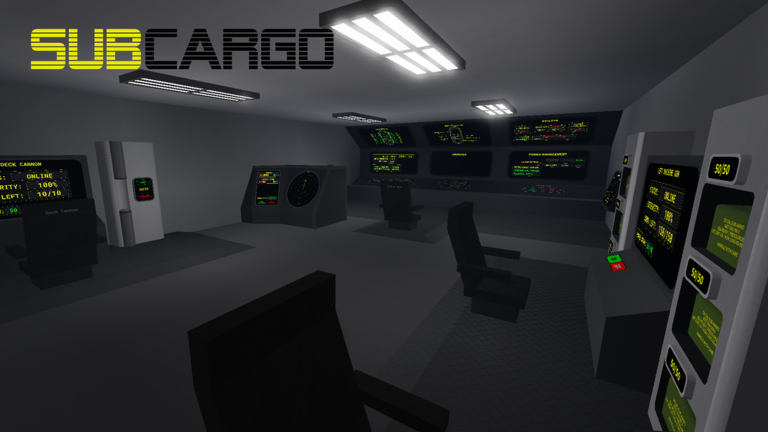
SubCargo by DeltaCore Studio is a Roblox alpha submarine game inspired by Barotrauma. You explore post-apocalyptic ocean veins, keep a custom sub operational, fight sea creatures, and complete cargo deliveries with other players online. The official page recommends 2+ players per session because one person cannot safely pilot, pump ballast, repair breaches, and dive at the same time. This guide covers your first hour: joining a crew, reading the submarine layout, and adopting the mindset that keeps early access runs fun instead of frustrating.
Join the game and pick a crew role
Open the SubCargo experience on Roblox (Place ID 79206495603893) and enter a public or private server. During alpha, player counts and queue times shift quickly—if a lobby looks empty, refresh servers or bring friends. Once you spawn, introduce yourself in chat and ask which roles are open. Most groups want a pilot on the bridge, an engineer near reactors and ballast, and at least one flex player who can grab a welder or diving suit when alarms sound.
Do not grab the helm uninvited. SubCargo subs are fragile in alpha, and surprise steering causes collisions, dock fines, and unnecessary Larry encounters. Instead, shadow the current pilot for one leg, watch which UI panels they touch, and volunteer for a support job. If you are solo, treat the run as practice: throttle gently, stay shallow until you understand pumps, and read Ballast and Systems before committing to a long route.
Understand the submarine layout
Every sub differs because players build and wire their own hulls, but most alpha craft share the same functional zones. The bridge hosts navigation, throttle, depth controls, and often weapon stations. The engine room holds reactors or batteries, fuel, and wiring that feeds ballast pumps. Cargo bays store freight you must deliver intact. Airlocks connect the interior to the sea for diving suits. Medical or storage closets hide tools like wrenches, mops, and fire extinguishers.
Walk the interior once before undocking. Locate the nearest welder, note which compartments have gaping exterior access, and identify the airlock valve chain. When Larry or a rock breach hits, seconds matter—players who memorize door paths repair faster. For a deeper map of interactions, see Controls and the video walkthrough embedded on this page titled Subcargo Tutorial.
Core systems overview (what actually kills beginners)
Ballast controls whether you float, sink, or hover neutrally. If the sub drops whenever you cut throttle, your crew has a ballast or wiring problem—not bad piloting. Study neutral values and pump labels in Ballast and Systems before blaming the helm.
Power and fuel keep lights, pumps, and weapons online. Alpha subs often drain batteries while reactors ramp up; engineers should prioritize stable reactor output instead of flicking every device at once. Running dark in a breach is a common rookie mistake.
Hull integrity is a shared resource. Impacts, creature bites, and forgotten open hatches create leaks. One unrepaired wall can cascade into flooding that kills the reactor. Learn tool roles in Hull Repairs early.
Combat is minimal but lethal. Larry—the Blood Worm—can shred exteriors while you are still learning pumps. Skim Beat Larry so you recognize surfacing fins before they reach the bridge windows.
First delivery mindset
SubCargo is not a sightseeing sim. Contracts pay for fuel, repairs, and better gear. On your first real run, propose a simple plan: accept one delivery, follow the marked route, dock only where required, and return alive. Loot detours are tempting, but alpha bugs plus unfamiliar ballast cause more failed missions than Larry does.
Split responsibilities clearly. Example split for four players: pilot handles throttle and depth calls; engineer owns ballast pumps and reactor; gunner watches exterior cameras or torpedo arcs; flex player stands by with welder and diving suit. Call out breaches aloud—silent fixes fail when two people weld the same hole while another compartment floods.
When you reach a dock, sell excess scrap, refill fuel, and buy a spare welder if your sub lacks one. Detailed contract flow lives in First Cargo Run and Cargo Delivery.
When to leave the hull (first dives)
After one successful shallow run, practice the airlock loop in Diving and Structures. Equip the suit outside the chamber, flood intentionally with a buddy watching interior pressure, exit with headlight on, grab one loot item, and return before oxygen anxiety sets in. Early dives teach valve timing that pays off during emergency repairs later.
Alpha expectations and wiki habits
SubCargo is early access, not a finished launch. Crashes, desynced wiring, and placeholder UI are expected. Report bugs through in-game tools or the community Discord linked on the Official Links page. Bookmark Updates after each session so you know if ballast labels or creature stats changed overnight.
Use Codes for any active promotional rewards, and consult the Tier List before spending your first big paycheck on a weapon that cannot hurt Larry efficiently.
Your day-one checklist
Before undocking: confirm roles, locate welder and extinguisher, test ballast pump response, and agree on a return plan if hull integrity drops below comfortable levels. After docking: repair all breaches, restock fuel, split earnings fairly, and debrief what broke. Repeat until neutral ballast feels boring—that is when you are ready for deeper veins, structure loot, and coordinated Larry fights.
Frequently Asked Questions
Quick answers for SubCargo crews in Roblox alpha.
Has SubCargo left Roblox alpha yet?
No. SubCargo remains in alpha early access by DeltaCore Studio. Expect mechanics, bugs, and balance to change between updates.
How many players do I need for my first SubCargo run?
The developers recommend 2+ players online. Solo is possible for practice, but crew roles overlap heavily and first-time deliveries are much harder alone.
What should I do before accepting my first cargo contract?
Walk the sub interior, assign pilot and engineer roles, confirm ballast pumps respond, and locate a welder and fire extinguisher near the bridge.
Why does our submarine sink when we stop moving?
That usually signals incorrect ballast setup—neutral values, pump labels, or wiring—not a navigation bug. Read Ballast and Systems before retrying the same route.
Where do I go after this getting started guide?
Follow Controls and Ballast and Systems, then Cargo Delivery for mission flow. Save Beat Larry until you plan routes through deeper, more dangerous veins.