SubCargo Ballast, Pumps, and Submarine Systems
Keep SubCargo neutrally buoyant, powered, and ready for delivery runs in co-op alpha.
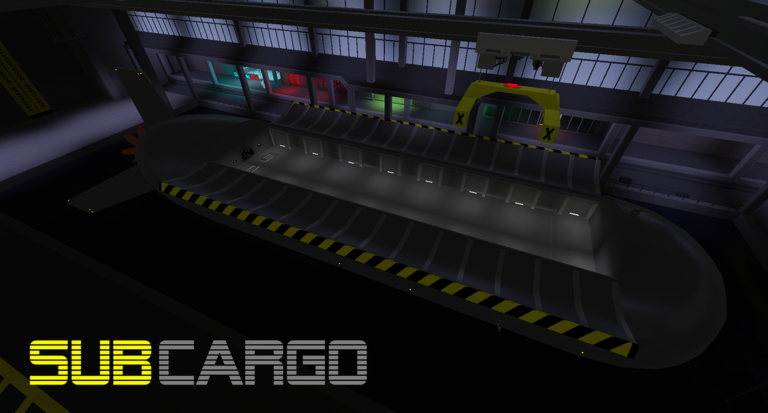
Ballast and onboard systems decide whether your SubCargo run feels like professional freight service or a one-way trip to the seafloor. DeltaCore Studio’s Roblox alpha builds player-made subs with reactors, batteries, fuel, pumps, and hull sections that must cooperate. When crews blame the pilot for sinking, the real culprit is often mislabeled ballast, dead pumps, or brownouts that starve thrusters. This guide explains how to manage ballast, power, and fuel in current early access—and how to troubleshoot the failure modes that send you back to dock broke.
What ballast does in SubCargo
Ballast tanks control buoyancy. Fill them and the sub dives; drain them and you rise. Neutral ballast is the sweet spot where the hull neither climbs nor drops when throttle idles. Community testing and builder notes point to neutral values near 0.5 for many hull sections, though exact numbers depend on shape, room count, and cargo weight.
Each designated ballast hull displays a neutral value in the builder or inspection UI. Engineers should copy that figure into navigation or steering settings so the helm’s depth inputs match physical tank capacity. Skipping this step produces subs that feel “heavy” even when pumps run.
Ballast is not cosmetic. Delivery routes cross uneven terrain, Larry ambushes force sudden depth changes, and loot weight shifts balance mid-mission. Treat pump duty as a full role, not a side task while browsing Discord.
Pump labels, wiring, and activation order
Alpha subs fail most often at the pump layer. Confirm three details before undocking:
- Hull sections used as ballast are marked as ballast rooms—not generic corridors mistaken for tanks.
- Ballast pumps carry the correct label (community guidance specifies labeling them as ballast) and receive reactor or battery power through intact wiring.
- Pumps are toggled on after reactor startup, with no breakers flipped off by previous crews.
Wire from reactor to pump before expecting fill commands to matter. If a pump clicks but water level never moves, trace power first, then verify you are filling the intended compartment. Miswired pumps create hilarious diagnostics: bridge calls for dive while aft ballast drains onto the ocean floor.
Pair this section with Controls for interaction prompts at panels and chairs.
Reactor, battery, and fuel management
SubCargo systems mirror Barotrauma’s tension: everything electrical competes for the same reactor output. Reactors consume fuel rods and supply sustained load. Batteries buffer spikes but drain quickly if you treat them as primary power.
Engineer playbook for alpha crews:
- Start reactor early at dock so ballast tests happen on realistic load.
- Stagger heavy draws—ballast fill, exterior lights, weapons, fabricators—instead of enabling everything at once.
- Refuel at shop stops before accepting long multi-leg contracts detailed in Cargo Delivery.
- Watch for overheating or smoke; fires near fuel deny pumps power until extinguished—see Hull Repairs for extinguisher discipline.
Running silent dark saves fuel until a breach happens; then prioritize pump and interior lighting over cosmetic lamps.
Helm coordination and depth calls
Pilots should announce intent: “filling forward ballast two seconds” or “holding neutral at vein floor.” Engineers adjust pumps to match, then confirm visually on gauge UI if available. Avoid fighting the helm by overfilling opposite tanks—that induces rocking and hull stress in tight caverns.
When depth spikes unexpectedly during creature attacks, stabilize first, then resume route speed. Larry surface rushes and wall collisions both introduce flooding that changes effective weight; revisit neutral after major hull damage.
Sinking troubleshooting checklist
If the sub drops whenever throttle releases:
- Re-read neutral ballast values on marked tank hulls and re-enter them in navigation settings.
- Confirm ballast pumps are labeled and powered; toggle off/on after reactor sync.
- Check for hidden flooding from unrepaired breaches—water weight masquerades as bad ballast. Welder fixes in Hull Repairs come first if interior puddles grow.
- Verify cargo was secured; loose heavy crates shift center of mass in alpha physics.
If the sub bobbing or oscillates:
- Reduce pump overshoot; pulse fills instead of holding buttons.
- Balance fore and aft tanks rather than maxing one section.
- Slow pilot inputs until neutral returns.
If systems look correct but nothing changes:
- Alpha bugs exist—rebuild affected hull sections, restart server, or report via community channels on Official Links.
- Compare behavior with Updates patch notes; pump logic has changed between alpha milestones before.
Integration with combat and diving
Ballast choices affect Larry fights. Emergency dives need confident pump response; panicked empty-tank commands stall and leave the hull exposed. Gunners in Beat Larry assume engineers can hold depth while turrets track.
Divers exiting airlocks shift weight subtly. Notify engineering before flooding chambers so compensating drain prevents accidental keel collision with seafloor structures—procedures in Diving and Structures.
Long-term crew habits
Document your sub’s neutral values on a sticky note or Discord pin. Train backup engineers so pilot swaps do not mean pump neglect. After each dock return, run a thirty-second float test before accepting the next contract.
Upgrade paths—better reactors, redundant pumps, smarter wiring—should follow money from deliveries and structure loot, prioritized via the Tier List and reinvestment tips in Getting Started.
SubCargo remains early access; expect numbers to shift. Master the logic—label tanks, copy neutral, power pumps, refuel often—and you will outlast crews who only learn helm keys.
Frequently Asked Questions
Quick answers for SubCargo crews in Roblox alpha.
What neutral ballast value should SubCargo subs use?
Many alpha builds target roughly 0.5 on designated ballast hull sections, but always copy the neutral value shown on your specific tanks into navigation settings.
Why are my ballast pumps not filling tanks?
Check reactor power, wiring paths, and that pumps are labeled as ballast. Mislabeled rooms or breakers off starve pumps even when UI clicks succeed.
Should the pilot or engineer control ballast in SubCargo?
Engineers should own pumps and neutral values while pilots call depth intent. Splitting focus prevents overfills during Larry attacks or tight cavern transits.
Can flooding look like a ballast problem?
Yes. Unrepaired hull breaches add water weight that mimics bad neutral settings—inspect for leaks and welder-fix walls before rebuilding tanks.
Where do I learn controls for pump panels?
Read Controls for interaction basics, then practice dockside tests described in Getting Started so your crew shares the same pump vocabulary.